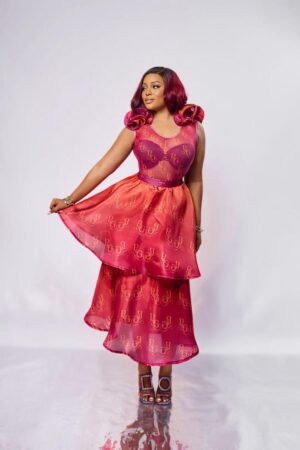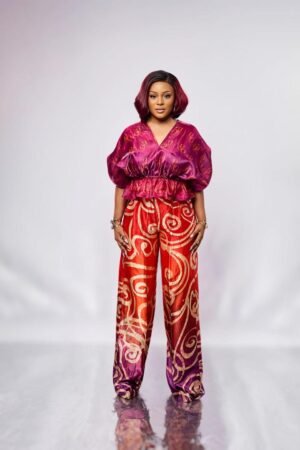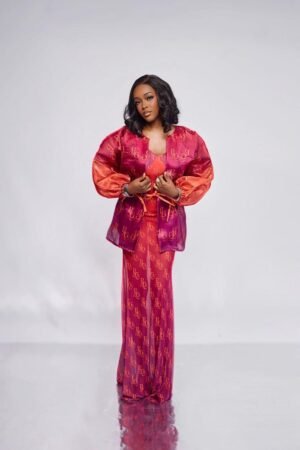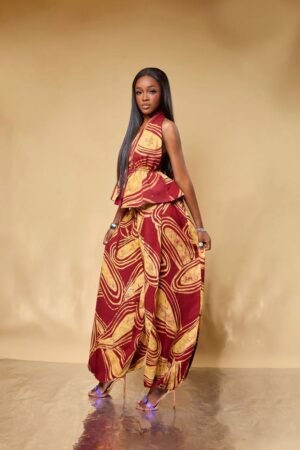
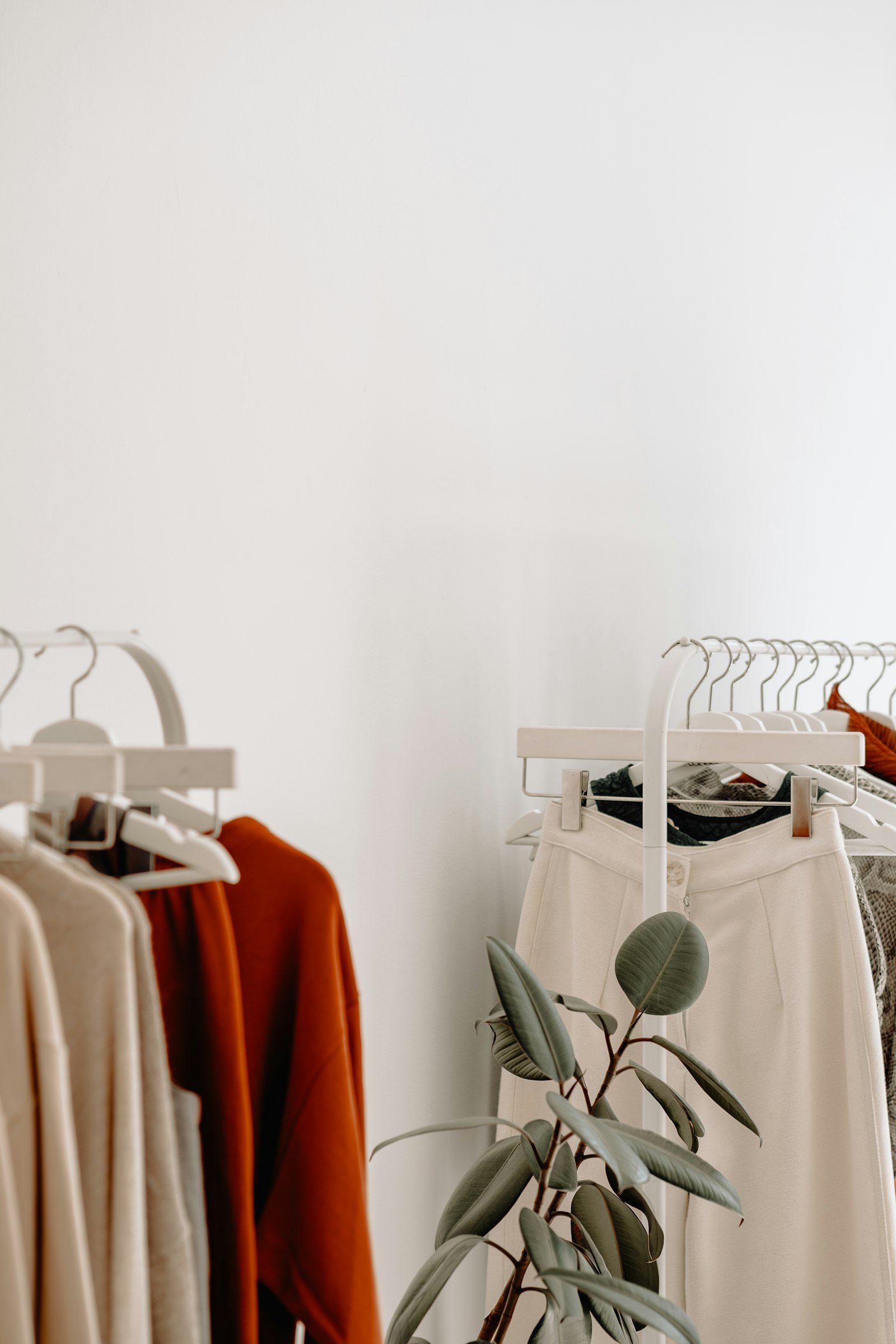
The arithmetic of being a wedding guest in Nigeria is unkind. Four or five invitations a year is normal. Every one of them is photographed extensively, and every photograph lives permanently on someone’s phone. The result is a wardrobe full of expensive pieces worn exactly once.
There is a way out of this, and it is not buying cheaper clothes. It is buying differently.
The one-outfit trap
The default behaviour is to buy a dress per event. It feels efficient, because it is one decision, and it is the single most wasteful thing you can do.
A dress is a closed system. It is one look, and once it has been photographed at a wedding where the other guests overlap with the next wedding’s guests, it is effectively retired. You have bought a garment with a useful life of about six hours.
Separates break that. Two tops and two bottoms give you four outfits. Three and three give you nine. The photographs do not repeat, and nobody is counting your skirts.
Build around four pieces
Here is a structure that holds up across a year of invitations.
One statement bottom
A wide-leg trouser or a full skirt in a fabric with presence: silk, organza, hand-dyed crepe. This is where your print lives, and it is the piece people will remember. It also works hardest, because a bold bottom half changes character entirely depending on what sits above it.
Two tops that do different jobs
One quiet, one loud. The quiet one is a plain, beautifully cut top in a solid colour that lets the bottom half lead. The loud one is beaded, ruffled or sheer, and can carry a plain bottom on its own.
With one bottom and two tops you already have two complete, genuinely different outfits.
One layer
An unlined jacket or an open organza layer. This is the most undervalued piece in the set. It turns an outfit you have already worn into one people read as new, and it solves the air-conditioning problem that every indoor reception presents.
One floor-length dress
Yes, one. Some occasions genuinely call for it, and fighting that is a false economy. Buy a single very good one rather than three adequate ones, and choose a shape that does not date: a column, a cowl, something with a line rather than a trend.
The re-wear maths
Four pieces bought this way produce, conservatively:
- Statement bottom plus quiet top
- Statement bottom plus loud top
- Either of the above with the layer over it, which reads differently in photographs
- Loud top with plain trousers or jeans you already own
- The dress, alone
- The dress with the layer over it
That is six to eight distinct outfits from four purchases. Buy four dresses instead and you have four.
Why “sold separately” is a feature
You will notice that a lot of pieces are photographed as full looks but sold as individual garments. That can feel like an upsell. It is usually the opposite.
When a top and a skirt are sold as one dress, you own one outfit. When they are sold separately, you can buy the half that works hardest for you, skip the half you already own something similar to, and combine both with things in your wardrobe. You are also not paying for a piece you did not want in order to get the one you did.
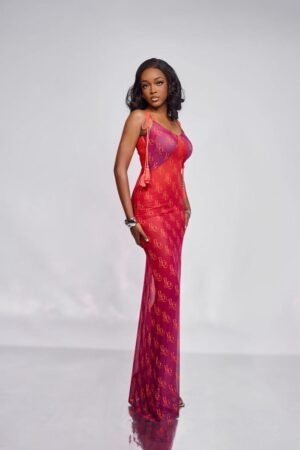
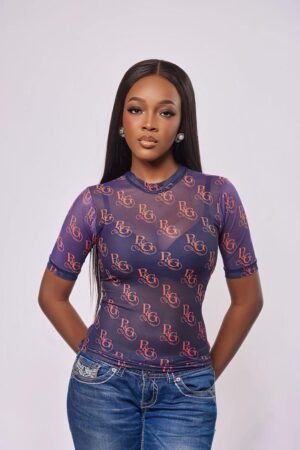
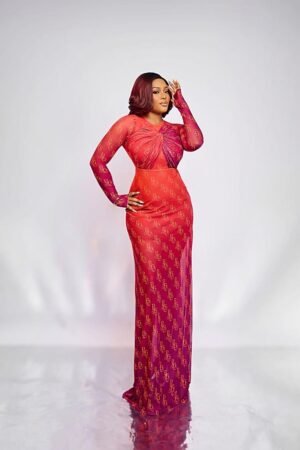
It does require you to look at the photograph differently: not as a product, but as two products styled together.
Aso-ebi, and why separates help there too
When the fabric is chosen for you, your decisions move to silhouette and to everything else you wear with it. This is where a well-stocked set of separates does quiet work.
A good plain top in a colour that sits alongside the aso-ebi, a layer that works over it, shoes and a bag that are not fighting the cloth. These are the pieces that make three different aso-ebi outfits look like three deliberate choices rather than three uniforms.
Shoes and bags: buy boring, buy well
This is where people overspend on personality and underspend on function.
Your clothes carry the interest. Your accessories should carry the outfit. Two pairs of shoes in neutral tones, one heel and one flat or block, both of which you can stand in for four hours, will serve more outfits than six pairs in colours that each match one thing. The same logic applies to bags.
Buy the interesting shoe after you own the reliable ones, not before.
Three practical rules
- Before buying, name three outfits it makes. Not three occasions. Three combinations with things you already own. If you cannot get to three, it is a one-wear purchase and should be priced in your head accordingly.
- Check the fabric and the lining, not just the picture. Most of these events are long, hot and partly outdoors. An unlined silk or mesh piece will still be comfortable at hour five.
- Photograph what you wore, and where. A note in your phone takes ten seconds and saves you the specific misery of repeating a look in front of the same crowd.
A worked year
Take five invitations across a year: two traditional ceremonies with aso-ebi, one white wedding, one civil ceremony or registry, one reception where you are simply a guest in your own clothes.
The aso-ebi events are partly decided for you, so they need a plain top that sits well with the given cloth, a layer, and shoes. The white wedding takes the floor-length dress. The registry, usually smaller and more daytime, takes the statement bottom with the quiet top. The reception takes the statement bottom with the loud top, or the dress again with the layer over it, depending on who was at the white wedding.
Five events. Four purchases, plus whatever you already own. Not one repeated photograph in front of the same crowd.
Now compare that with the default: five dresses, five single wears, and considerably more money.
The budget conversation
The instinct when a year looks expensive is to spread the budget evenly across the events. It is usually the wrong shape.
Put the money into the pieces that will be worn most, which is almost never the dress. The statement bottom and the layer are the two items that will appear in the most photographs across the most occasions, so they should be the best-made things you buy. The floor-length dress can be a single good purchase that you keep for years rather than an annual one.
Work out a rough cost per wear before buying, not after. A statement trouser at a higher price worn six times in a year is cheaper per outing than a dress at half the price worn once. This sounds obvious written down and almost nobody does it standing in a shop.
Etiquette, briefly and practically
- Do not wear white, cream or ivory to a white wedding unless the couple has explicitly asked for it. This still catches people out.
- Check whether there is a colour scheme before you buy anything. Turning up in an approximation of the aso-ebi when you are not part of that group reads awkwardly, and so does clashing violently with it.
- If you are given aso-ebi, wear it to the event it was given for. The fabric is a statement about belonging to a particular group on a particular day. Restyle it freely afterwards, and it will often make excellent separates.
- Traditional ceremonies usually ask for more coverage than receptions. When you are unsure, the longer sleeve and the higher neck are never the wrong call.
- Ask about the venue floor. Sand, grass and unfinished concrete all destroy a fine heel. This is worth one message.
Destination and travel weddings
The separates approach earns its keep hardest when everything has to fit in a bag.
Pack one colour story so every piece works with every other piece. Two bottoms and three tops in a coherent palette gives you six outfits in a carry-on, and the layer makes it more. Choose fabrics that recover from being folded: mesh, crepe and most silks travel far better than heavy cotton or linen, which is the one context where linen loses.
Roll rather than fold, put the least creasable piece on the outside, and hang everything in a bathroom with hot water running for ten minutes on arrival. Carry the floor-length piece if you are bringing one; it is the item you cannot replace locally.
What to do with what you already own
If you are reading this with a wardrobe of single-wear dresses already in it, you are not stuck.
- Split what can be split. A two-piece that was sold as a set is already two garments. Start wearing them apart.
- A layer over an old dress is a new outfit. This is the cheapest intervention available and the most effective.
- Change the shoe and the bag entirely. People remember silhouette and colour blocks more than they remember a specific garment.
- Consider having one altered. A floor-length dress you never wear can become a skirt. This is a good use of a tailor.
Our pieces are deliberately sold as separates for this reason, including the ones photographed as complete looks. Start with a statement bottom, add a quiet top and a loud one, and you have most of a year covered.