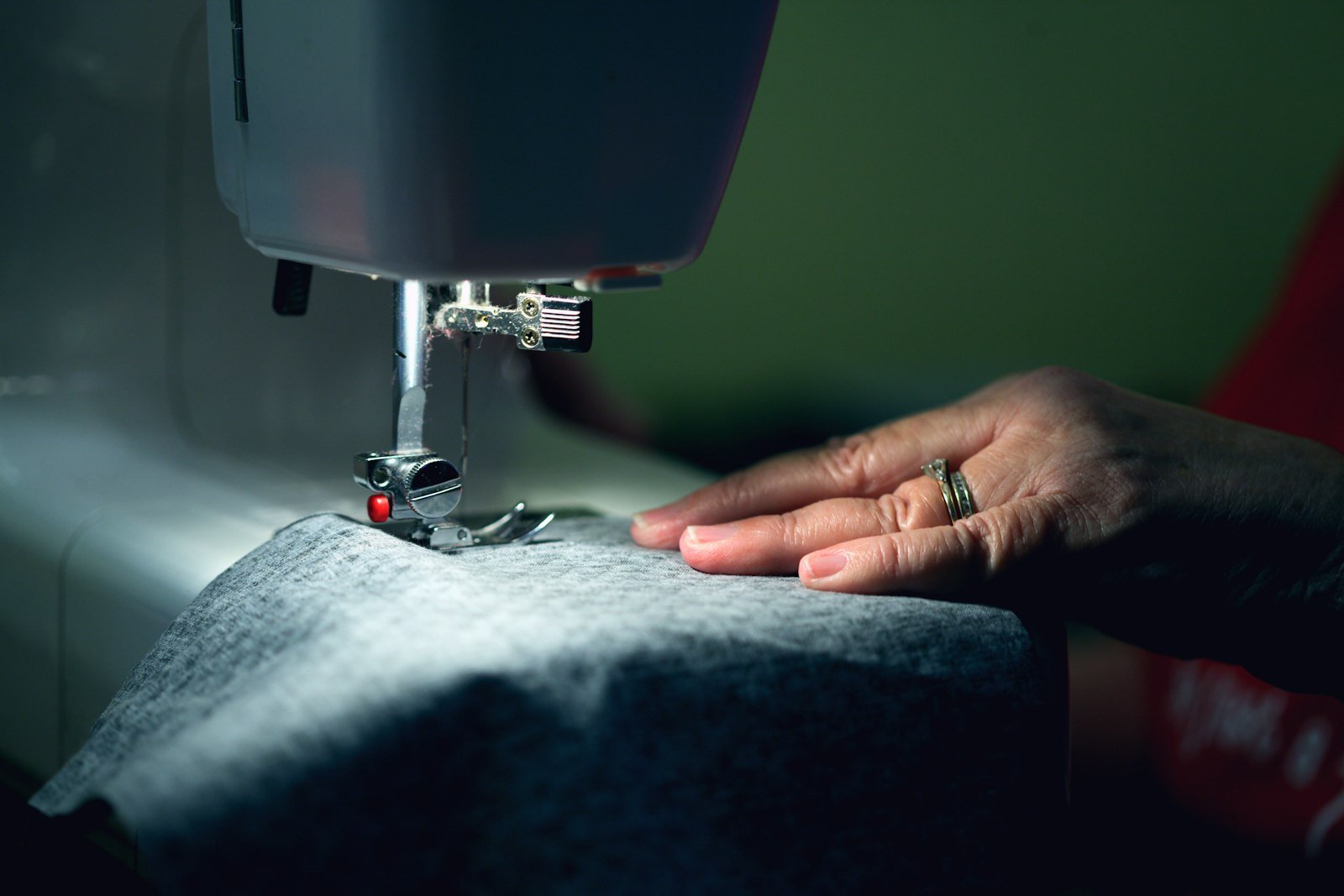
Most people choose between made to order and ready to wear based on whichever one the brand happens to offer. It is worth choosing on purpose instead, because the two things solve genuinely different problems.
Here is the honest comparison, including the parts that do not flatter either option.
What each one actually means
Ready to wear is cut to a standard size chart and made before anyone orders it. The size chart is built from an average of many bodies, which means it fits some people beautifully and others approximately.
Made to order means the piece is cut and sewn after you order, to your measurements. Not to be confused with bespoke, which involves multiple fittings and a pattern drafted from scratch for you. Made to order usually means an existing design adjusted to your numbers, which is most of the benefit for a fraction of the cost.
The time question
This is the one that catches people out, so plan backwards from the date.
Ready to wear ships as soon as it is packed. Made to order needs production time before shipping even begins, and that time is real: fabric has to be cut, sewn, finished and checked.
The failure mode is always the same. Someone falls in love with a made-to-order piece nine days before a wedding, and either the piece arrives late or it is rushed, and rushed sewing shows. If your event is inside two weeks, buy ready to wear and have it altered locally. That is not a downgrade; it is the correct answer.
The fit question
Made to order wins here, but not as completely as people assume.
It genuinely wins if you sit outside the standard chart in some specific way: longer or shorter in the body than the size implies, very different measurements between your upper and lower half, taller or shorter than the sample was cut for. For those bodies, a size chart will always involve compromise.
Where it wins less than expected is on simple, loose garments. An unlined, loose-fitting top has very few points where fit is critical. Paying a premium to have one made to your measurements often buys very little. Save made to order for the structured things: anything fitted through the waist, anything with a defined shoulder, anything floor-length where the hem needs to break in the right place.
That last point is the most underrated reason to order made to measure. A floor-length dress is cut for one height. If you are 5ft2 and it was drafted for 5ft8, you are either having it shortened or you are wearing a higher heel than you wanted to.
The money question
Made to order usually costs more, and it is worth understanding why, because the reasons are not arbitrary.
- Cutting one garment uses fabric less efficiently than cutting twenty at once.
- A machinist setting up for a single piece spends the same setup time as for a batch.
- Someone has to read, check and translate your measurements into pattern adjustments.
- There is no scale anywhere in the process.
What you get for the difference is a garment that needs no alterations. Worth running the numbers on: if a ready-to-wear dress needs the hem taken up, the waist brought in and the straps shortened, the alteration bill closes much of the gap, and you have spent two extra trips to a tailor.
The risk question
This is the part brands tend to skip.
Made to order carries more risk for you, because a piece cut to your measurements generally cannot be resold. That is why made-to-order items are very often final sale, and why the measurements you send matter enormously. Ready to wear carries less risk, because a standard size can go back into stock.
So the real trade is this: made to order gives you better fit and less flexibility. Ready to wear gives you more flexibility and a fit that may need help. Neither is the generous option and neither is the trap.
How to give measurements properly
If you do order made to measure, this ten minutes determines whether the piece works. Do it carefully.
- Get someone else to measure you. Measuring yourself distorts almost every number, because you move to read the tape.
- Wear the underwear you will wear with the garment. Especially anything structured. It changes the bust measurement meaningfully.
- Keep the tape level and snug, not tight. Snug means it sits against you without compressing. Do not hold your breath and do not add ease; the pattern already includes it.
- Send your real numbers, not your usual size. This is the most common and most expensive mistake.
- Include your height and your intended shoe height for anything full length. A dress is hemmed to a total, and a 4-inch heel changes that total.
- Say if you are between measurements rather than rounding. A good studio would far rather hear that than guess.
- Measure again on the day you order. Numbers from last year are not your numbers.
So which should you choose?
Choose ready to wear when the event is soon, the piece is loose or unstructured, you fall comfortably within a size chart, or you want the option to change your mind.
Choose made to order when you have four weeks or more, the piece is fitted or floor-length, your proportions sit outside the standard chart, or it is for an occasion that genuinely justifies the fit.
A worked example
Abstract comparison only goes so far, so here is the decision with numbers in it.
Say you are choosing between a ready-to-wear floor-length dress and the same design made to your measurements, and the made-to-order version costs a third more.
If you are close to the size chart and roughly the height the dress was drafted for, the ready-to-wear version arrives, fits, and you wear it. The made-to-order premium bought you very little. Buy the ready-to-wear one.
If you are 5ft2 and the dress was cut for 5ft8, the ready-to-wear version needs six inches taken off the hem. On a floor-length dress that is not a quick alteration: it may mean re-cutting a shaped hem, and on sheer or bias-cut fabric it is skilled work. You will pay for it, you will wait for it, and you will make two trips. Now the made-to-order premium is roughly cost-neutral and you have saved yourself a fortnight of logistics.
The variable that decides it is not how much you like the dress. It is how far your body sits from the assumptions the pattern was built on.
What can and cannot be fixed afterwards
Knowing this makes the ready-to-wear gamble much less risky, because most people overestimate how trapped they are by a size.
Straightforward to alter:
- Taking in side seams at the waist and hips
- Shortening straps
- Hemming a straight or gently shaped hem
- Shortening sleeves
- Moving a button or adding a closure
Difficult, expensive, or not worth it:
- Letting anything out, unless there is real seam allowance left inside. Check before you buy.
- Altering across the shoulder, which usually means dismantling the whole upper garment
- Changing a bust cup or a fitted bodice with structure in it
- Hemming anything bias-cut, heavily beaded, or with a border print, where the hem is part of the design
- Anything pleated or gathered into a fixed waistband
The short rule: buy for the shoulders and the bust, alter everything below. The upper body is where alterations get expensive. Waists and hems are cheap.
Questions worth asking before you order
A studio that makes things properly will be happy to answer all of these. Hesitation on any of them is information.
- What is the actual production time, and does it include shipping? These are frequently quoted as one number when they are two.
- Is it final sale? Made to order usually is. You want to hear that before you pay, not after.
- What happens if it arrives and the fit is wrong? Ask specifically whether they will adjust it, who pays the shipping both ways, and how long that takes.
- Is the fabric in stock? If it has to be sourced or dyed first, your timeline is longer than the stated one.
- What height was this drafted for? Essential for anything full length. A good answer is a number.
- Is it lined? Changes both the comfort and the alteration options.
- How much seam allowance is left inside? Tells you whether it can ever be let out.
The honest summary
Made to order is not automatically better. It is better for structured garments, unusual proportions and floor-length hems, and it is worse when you are short on time or the piece is loose enough that fit barely matters.
The expensive mistake is not choosing wrongly between them. It is choosing made to order nine days before the event, sending last year’s measurements, and then discovering the piece is final sale.
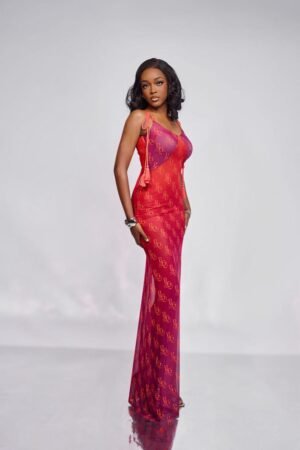
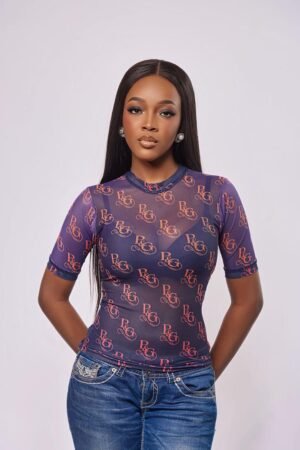
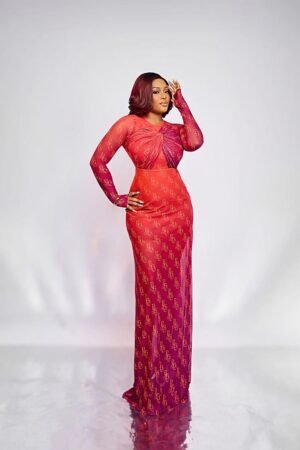
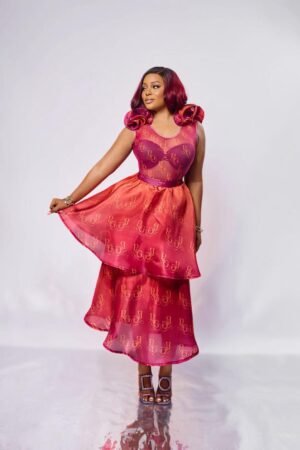
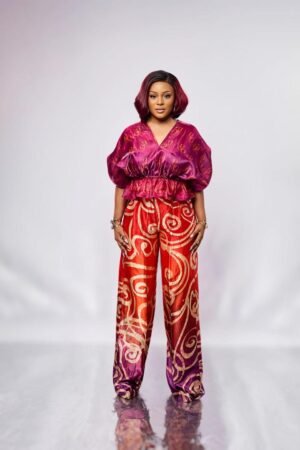
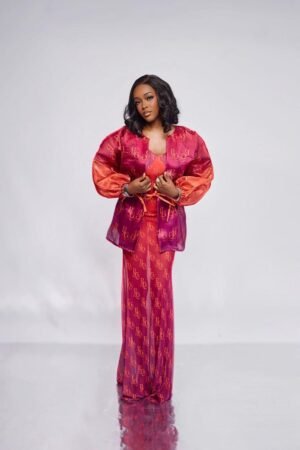
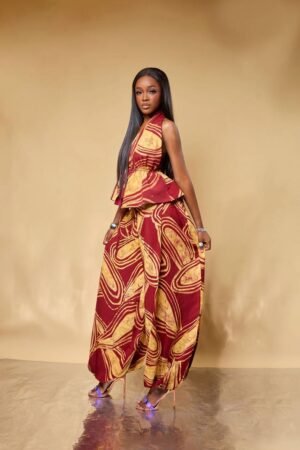
Plum & Grey works both ways. Everything in the shop lists the model’s height and the size she is wearing, alongside the garment length where it matters, so you can judge the drop against your own height before deciding which route you need. If you are unsure, message the studio with your measurements and the date. That conversation is free and it prevents the expensive version of this decision.